
Why Invest in Zambia
Practical knowledge for doing business in Zambia
The Insights section is where WealthBridge Facilitation shares what we know. From regulatory updates to investment sector overviews, we publish content that helps our clients and visitors make more informed decisions about business and investment in Zambia. Content is organized by topic and published regularly as developments occur, new information becomes available, and questions from clients suggest a wider need for clarity on a particular subject.

A Recovering Economy With Real Momentum
Zambia’s economic trajectory has shifted meaningfully in recent years. After a difficult period that included a sovereign debt default in 2020, the government undertook a significant restructuring programme, and the results are showing.
Growth is being driven by a strong rebound in mining, record agricultural output, improving electricity generation, and expanding services. The IMF’s Extended Credit Facility programme concluded in 2025 after its sixth and final successful review, with Fund staff describing the outcomes as representing ‘substantial progress in restoring macroeconomic stability.’
In July 2025, Zambia’s inaugural Invest in Zambia International Conference saw the signing of investment deals worth over USD 2 billion across energy and agriculture, signaling strong international confidence in the country’s direction.
Key Economic Indicators (2025)
GDP growth: 5.2% (2025 estimate), projected 5.8% in 2026. Over 90% of external debt restructured. Foreign exchange reserves: approximately USD 6.5 billion, Zambia’s strongest position on record. S&P Global Ratings upgraded Zambia’s sovereign credit rating from selective default to CCC+, reflecting improving fiscal discipline and macroeconomic stability.
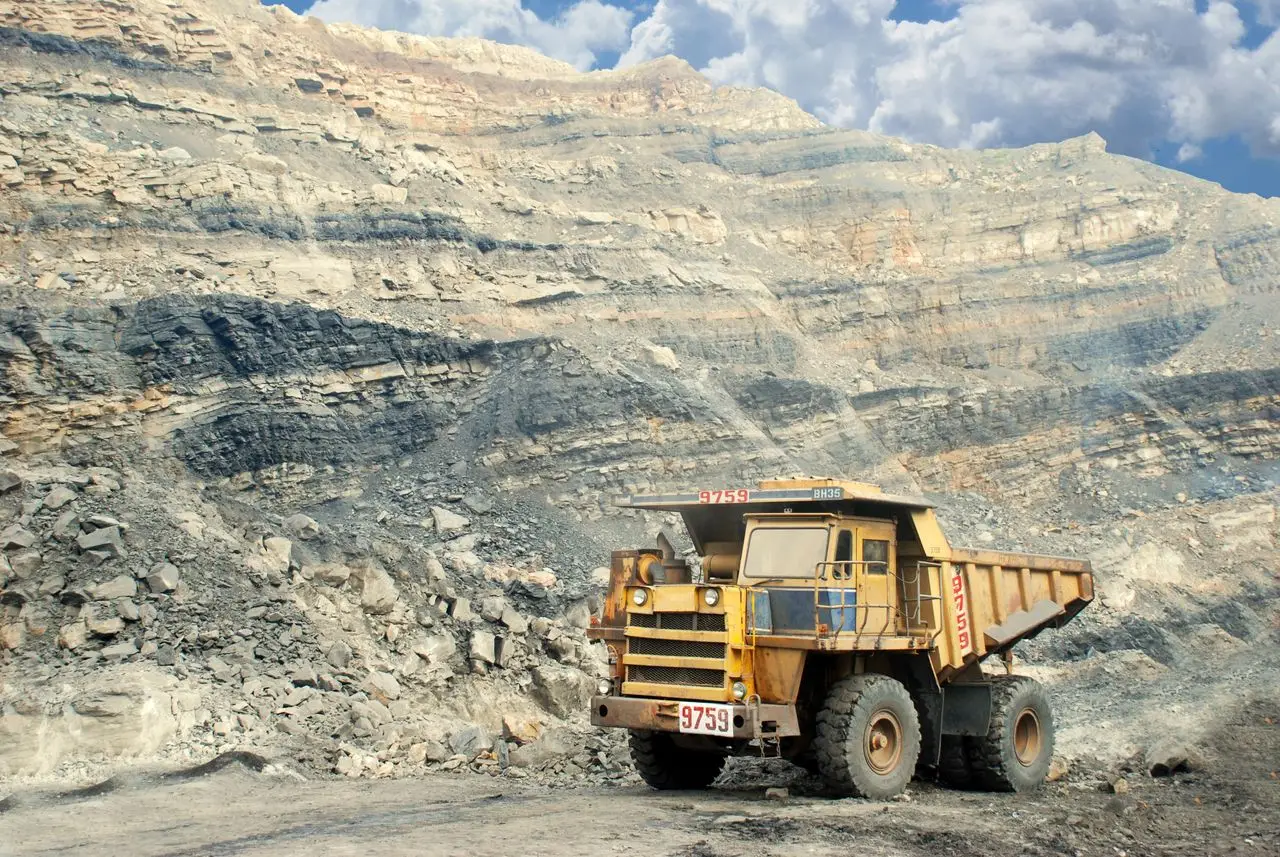
Africa's Second-Largest Copper Producer
Mining is the backbone of Zambia’s economy, and copper is its most important export. If you are investing in mining in Zambia, here is the context you need.
Beyond copper, Zambia holds significant reserves of cobalt, gold, manganese, and gemstones. Together with the Democratic Republic of Congo, Zambia holds more than 70 percent of the world’s known cobalt reserves, placing it at the centre of global supply chains for electric vehicles and renewable energy technology.
The government is actively incentivizing downstream value addition, with investment incentives for smelters, refineries, and beneficiation facilities. Major operators including First Quantum Minerals, Vedanta Resources, Mopani Copper Mines, and Barrick Gold are all actively investing and expanding in Zambia.
Mining Investment Incentives
- Duty-free importation of capital equipment and utility vehicles
- 100 percent capital allowance on qualifying assets
- Input VAT claims for up to five years on pre-production exploration expenditure
- 100 percent loss offset against profits (previously limited to 20 percent)
- Improved mining license tenure protections and formal redress mechanisms under the 2024 Minerals Regulation Commission Act
2025 Mining Snapshot
Copper production: 890,346 metric tonnes in 2025 (8% increase from 2024, second consecutive year of growth). Mining’s contribution: ~70% of export earnings, ~15% of GDP. Government target: 3 million metric tonnes of copper per year by 2031. Capital investment into mining since 2022: over USD 10 billion.
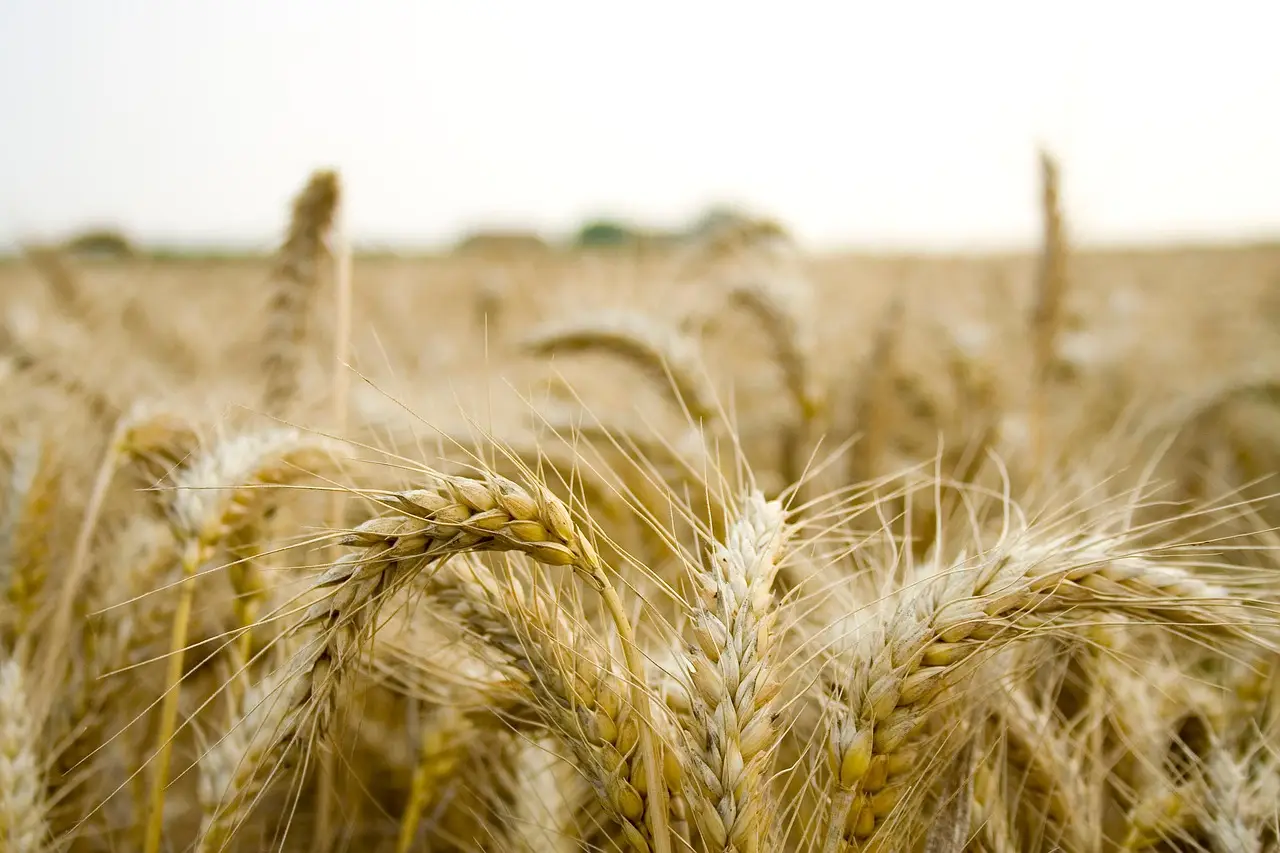
42 Million Hectares of Arable Land. Only 7 Million Under Cultivation.
The gap between what Zambia has and what is currently being used in agriculture is one of the most striking investment stories on the continent. With vast tracts of fertile, uncultivated land, an abundance of freshwater, and a government actively promoting agricultural investment, the opportunity is real and it is accessible right now.
Investment opportunities span crop farming at scale, agro-processing, irrigation infrastructure development, storage facilities, and export value chains. Growing regional demand for food security investment, combined with Zambia’s AfCFTA membership giving preferential access to over 300 million consumers across the continent, makes this sector particularly compelling for long-term investors.
Agricultural Investment Incentives
- 15 percent income tax on farming profits (reduced from standard corporate rate)
- Tax-exempt dividends for the first five years of farming operations
- 20 percent capital expenditure allowance on farm improvements in each of the first five years
- Zero-rated VAT on selected agricultural equipment: tractors, ploughs, planters, seeders, irrigation pumps, harvesters, and more
- Substantial depreciation allowances allowing farm machinery to be written off against tax
Agriculture at a Glance
Arable land: approximately 42 million hectares total. Currently cultivated: approximately 7 million hectares. Remaining available for investment: approximately 35 million hectares. Freshwater resources: Zambia holds approximately 45% of sub-Saharan Africa’s freshwater, including Kariba Lake. Climate: rainy season November to April, dry season May to November.
"There is great optimism about Zambia's macroeconomic future, especially as the country works to restore fiscal stability."
Nathan Belete, World Bank Country Director for Zambia
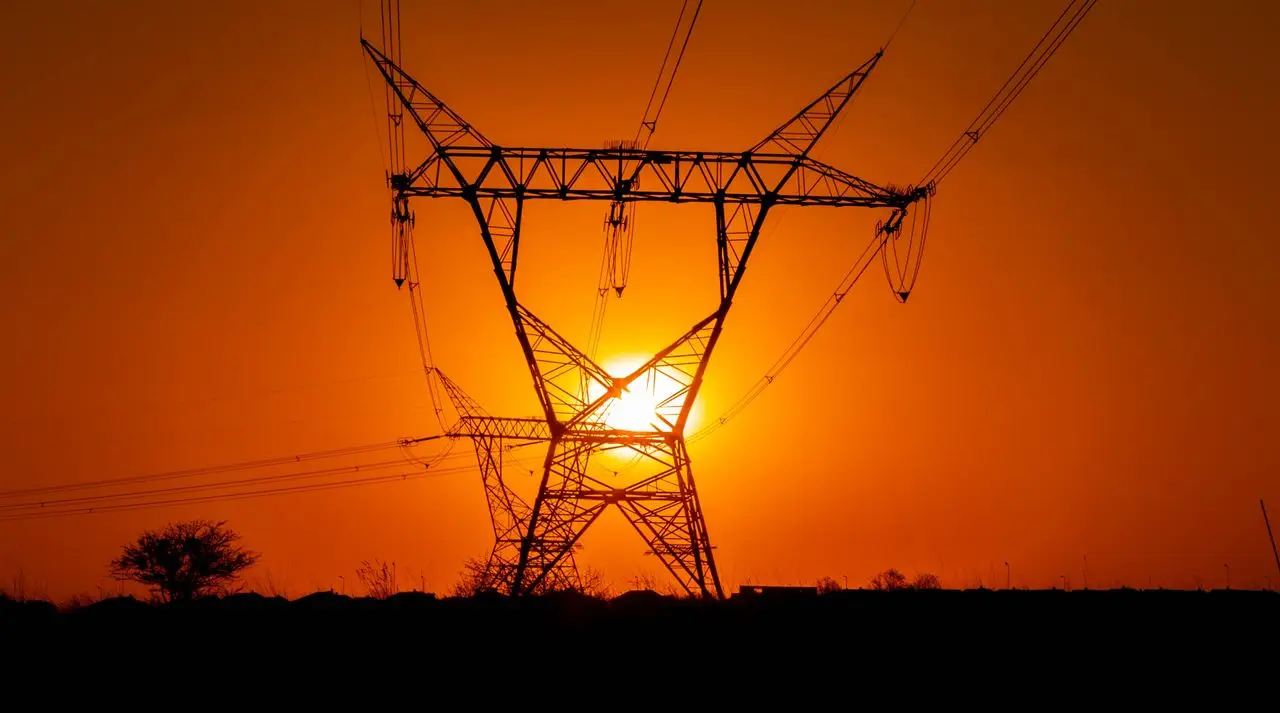
6,000 Megawatts of Hydropower Potential. Less Than Half Currently Installed.
Zambia’s energy sector is at an inflection point, and the government has made expanding power generation a national priority. The country’s economy has historically depended heavily on hydropower, which accounts for approximately 85 percent of installed generation capacity. This reliance has created vulnerability to drought, but it has also created a clear, funded mandate for energy sector diversification and expansion.
Private sector participation is actively being courted through new power purchase agreements and open-access grid policies. Significant opportunities exist in solar, wind, small hydro, and grid infrastructure, in addition to large hydropower expansion.
Energy Investment Incentives
- Customs duty exemptions on energy equipment and electrical transmission and distribution infrastructure
- Reduced dividend tax rate for ZDA-approved electricity generation businesses
- VAT intending trader status for hydropower project companies: claim input VAT for up to ten years before commencing trading activities
- Priority grid-connection slots for qualifying expansion and greenfield projects
Energy Sector Snapshot
Installed capacity: approximately 3,750 MW under standard conditions. Hydropower potential: estimated 6,000 MW. Government target: 10 GW installed capacity by 2030. Projected sector revenue by 2030: approximately USD 775 million. Energy licenses cleared in 2025 alone: 62 new licenses worth ZMW 11 billion.
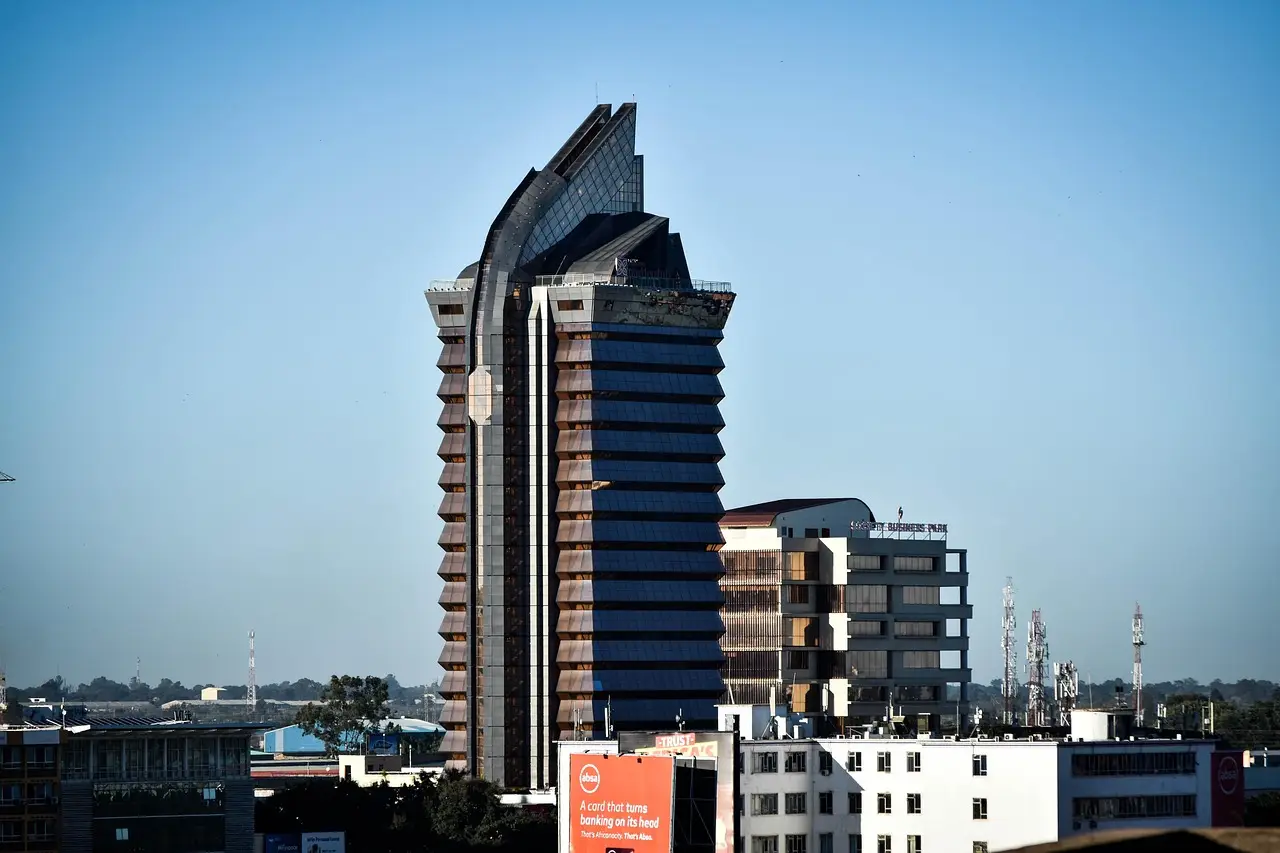
One Country. Eight Borders. 300 Million Regional Consumers.
Zambia’s geographic position is a genuine strategic asset. Landlocked in the heart of Southern, Eastern, and Central Africa, the country shares borders with Zimbabwe, Mozambique, Malawi, Tanzania, the Democratic Republic of Congo, Angola, Namibia, and Botswana.
Zambia is a member of COMESA and SADC, and a signatory to the African Continental Free Trade Area (AfCFTA). Businesses established in Zambia benefit from preferential trade access to a combined market of over 300 million people across the region, making it a compelling base for companies with regional distribution and market ambitions.
The Lobito Corridor
A major rail and infrastructure project connecting Zambia’s Copperbelt to Angola’s Atlantic port at Lobito is reshaping trade logistics for the region. Once operational, it will significantly reduce export costs and transit times for minerals and goods, further strengthening Zambia’s position as a continental trade hub.

How Zambia Protects & Supports Investors
The Zambia Development Agency (ZDA) is the country’s single-window investment facilitator. It handles registration, licensing, and investor support across all sectors. The ZDA Certificate of Registration serves as your investment license, and it comes with meaningful, enforceable protections.
What the ZDA Certificate of Registration Gives You
- Legal guarantees against expropriation of your investment
- Zero-duty or reduced-duty importation of qualifying machinery and equipment
- Fast-tracked immigration permit processing for your key personnel
- One-stop facilitation for land, utilities, and secondary permits
- Certificate valid for ten years and renewable
Zambia has signed bilateral investment treaties with 16 countries, ten of which are currently in force. The amended Investment, Trade and Business Development Act (2024) extended tax breaks to investors in priority sectors including agriculture, energy, manufacturing, and tourism, including in rural areas and farm blocks.
For Zambian and diaspora investors, the minimum investment threshold for 100 percent locally owned businesses operating in priority sectors has been reduced from USD 500,000 to USD 50,000, significantly lowering the barrier to entry.
"Zambia is back in the Champions League."
President Hakainde Hichilema
Coming to Zambia to Invest or Work? Here Is What You Need to Know.
Zambia’s immigration framework is structured to support investors and business professionals, with clear permit categories and defined pathways to longer-term residency.
Key Permit Types
- Investor’s Permit: issued to foreign nationals who establish or invest in a business in Zambia. Minimum investment of USD 250,000 for a new business, or USD 150,000 when joining an existing company. Valid for up to ten years. After three years, you become eligible to apply for a Residence Permit.
- Employment Permit: for skilled expatriate employees working in Zambia. Valid for up to two years, renewable.
- Temporary Employment Permit: for business visitors staying more than 30 days. Valid for up to six months within any 12-month period.
- Residence Permit: available after three years of holding an Investor’s Permit, or ten years on an Employment Permit.
The ZDA facilitates Investor’s Permit processing directly with the Department of Immigration on behalf of qualifying registered investors, which reduces administrative burden and processing time for those who come through the formal investment registration route.
Good News for Short-Term Visitors
As of January 2025, nationals of 167 countries are visa-exempt for short-term visits to Zambia under Statutory Instrument No. 78 of 2024. If you are exploring opportunities before committing, your initial visit is likely straightforward. Zambia also operates an e-visa system for business visa applications. Processing time is typically three to seven business days.

Why Zambia Matters in the Global Energy Transition
Copper and cobalt are not just mining commodities. They are foundational materials in the global shift to clean energy. Each electric vehicle requires between two and three times more copper than a conventional vehicle. Renewable energy infrastructure, battery storage systems, and power grid upgrades all demand copper and cobalt at scale.
Zambia, together with the DRC, controls more than 70 percent of the world’s known cobalt reserves and is already one of the world’s most important copper producers. As demand from the energy transition accelerates through the late 2020s and beyond, Zambia’s strategic importance to the global economy is only going to grow. Goldman Sachs and the International Energy Agency both project significant copper supply deficits later this decade, creating a premium environment for investment in Zambia’s production capacity.
The Bottom Line for Investors
Zambia has the resources the world needs, a government that is actively courting investment, a legal framework that protects investors, and the regional connectivity to serve a market of over 300 million people. The question is not whether Zambia is worth looking at. The question is whether you have the right partner to help you move from interest to action.